Restore Damaged Interiors
We’ve painted over more bodged jobs than we can count, ceilings where someone slapped emulsion straight onto a brown stain, only for it to bleed straight back through within weeks. That happens because ordinary paint doesn’t block anything.
Every water damage repair we take on starts with a proper stain-blocking primer, so whatever caused the mark can’t work its way back to the surface. It’s the difference between covering a stain and actually dealing with it.

Every water damage repair service we take on follows this same careful, three-part approach.
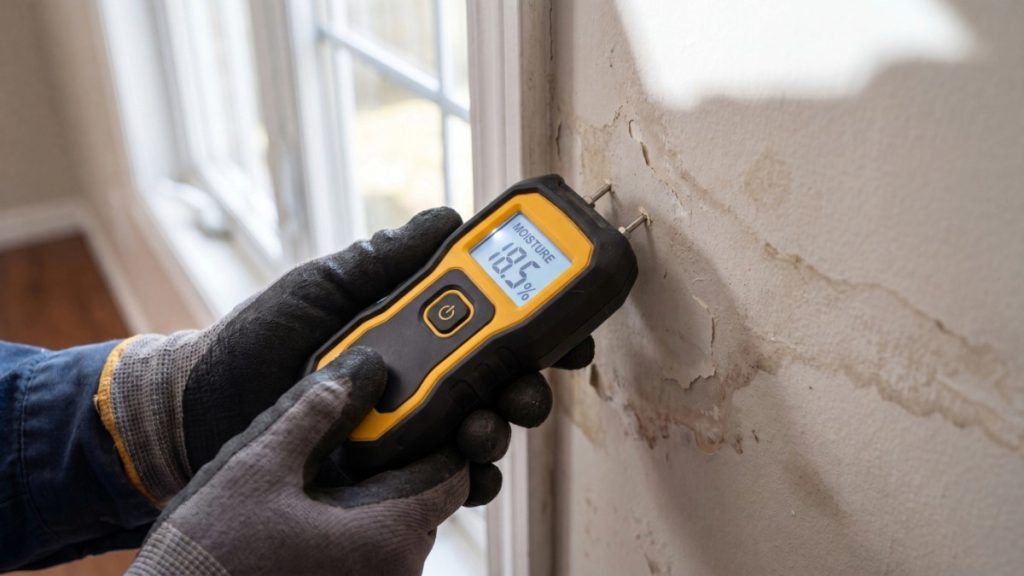
We confirm the area is fully dry before any repair work starts properly.
A dedicated blocking primer stops old marks from bleeding back through fresh paint.
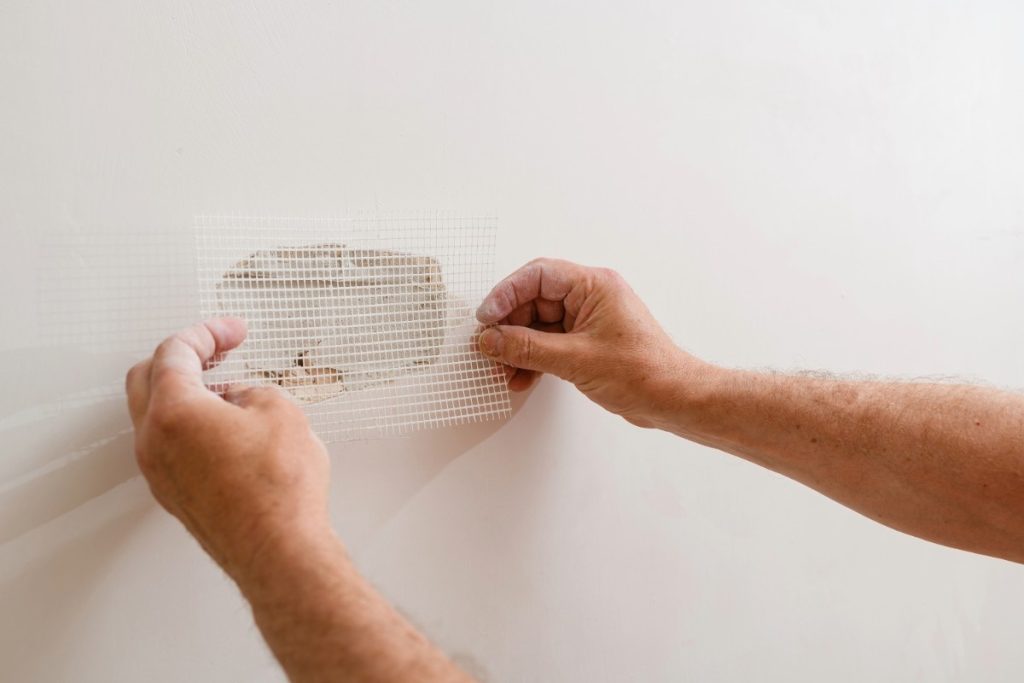
Repaired sections are blended in, so the join stays invisible once finished.
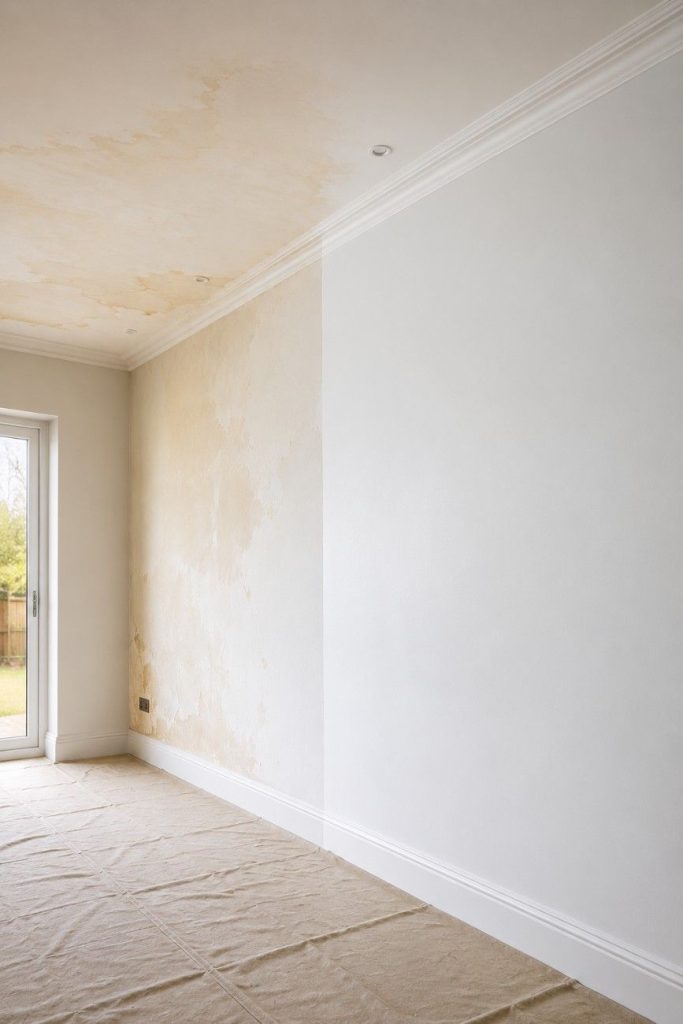
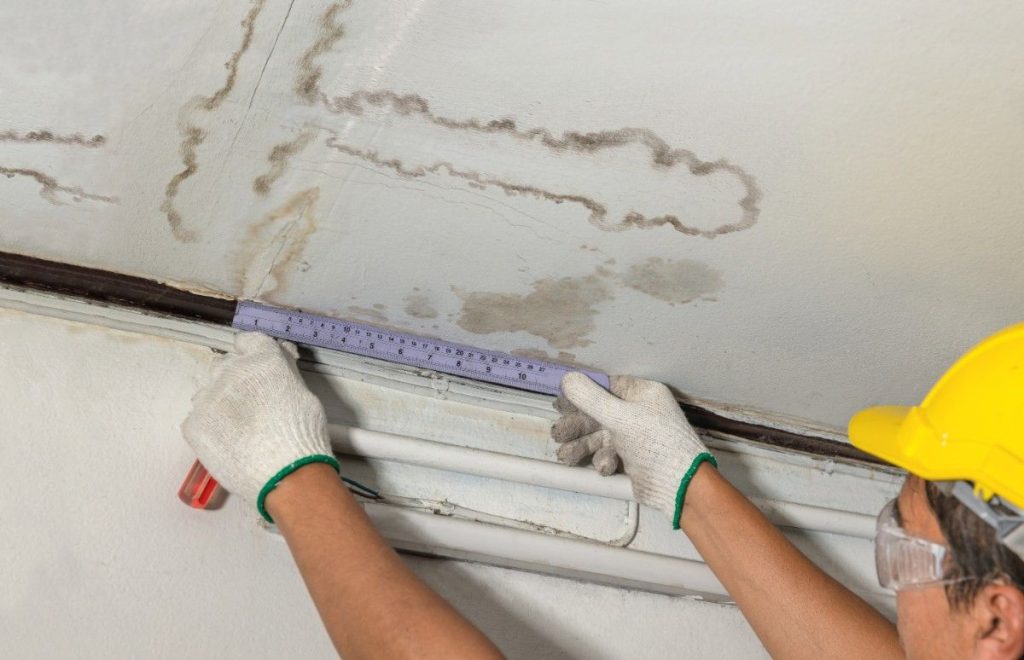
Ceilings often show the worst of a leak, with sagging plaster or brown rings spreading outward. Our ceiling water damage repair treats the affected patch, replasters where needed, and seals it before repainting for an even, uniform finish.
Damp can leave walls patchy, flaking or discoloured long after the source is fixed. Our wall water damage repair strips any loose material, treats the surface, and rebuilds it with filler and primer before the final coat goes on.
A watermark left untreated will usually bleed straight through ordinary paint within weeks. Our stain blocking uses a specialist primer designed to lock in old marks permanently, so nothing resurfaces once the room is repainted.
Depends on what’s caused it, honestly. Sometimes it’s a straightforward dry, seal, repaint job. Other times, there’s a leak that needs sorting first, by a plumber, before we even start, because there’s no point sealing a stain if the water’s still coming through.
Sometimes, yes, if the mark’s small and the wall or ceiling’s otherwise fine. But honestly, most jobs end up needing at least a patch repaint, because a sealed stain still shows through as a slightly different texture.
Often, yes. If the plaster’s still sound and it’s just staining, sealing and repainting does the job. If the water’s actually softened the plaster, that’s a different conversation, and we’ll tell you honestly which one you’re looking at.
Not if the actual cause has been dealt with first. That’s the part people skip, painting over a stain without fixing the leak behind it, and then wondering why it’s back in a few months.
We dry out damaged plasterboard, apply oil-based stain blockers, and paint over old leak damage to restore ceilings.